Section front · Groundwater & Rules
The Basin Under Our Feet, and the Rules Above It
Groundwater rules in north San Luis Obispo County start with one critically overdrafted basin, a plan that must balance it by 2040, and county limits on new building.
Updated
Stories
The Paso Robles Groundwater Basin, in Plain Numbers
The Paso Robles groundwater basin is a critically overdrafted subbasin of about 436,240 acres whose approved plan must bring pumping into balance by 2040.
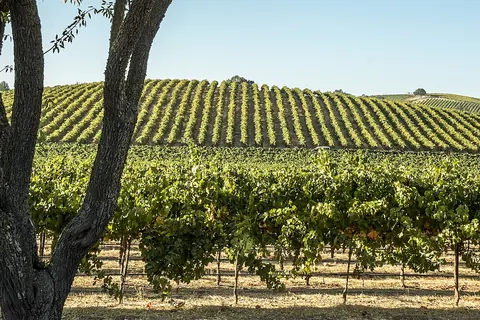
Household Wells and the Basin Rules: What the Exemption Covers
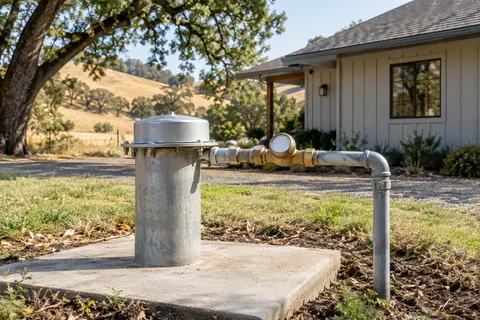
A de minimis well under SGMA is a household well pumping 2 acre-feet a year or less for domestic use; in the Paso basin it pays no groundwater fee and is not regulated by the authority.
 AI-generated picture
Building in the Paso Basin: County Limits and the State Well Order
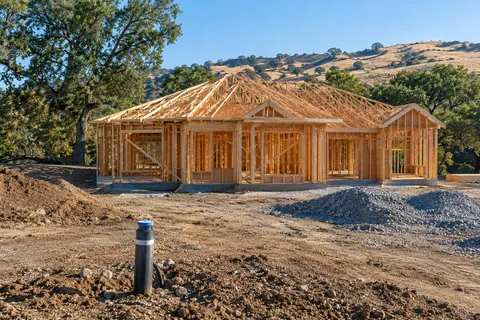
In the Paso basin, county rules still bar land divisions and require well meters on new structures, though the 1:1 water offset for new homes expired on January 1, 2022.
 AI-generated picture
In brief
BriefReporting a Dry Well to the State
To report a dry well in California, private well owners use the Department of Water Resources' online Dry Well Reporting System; a report records the shortage but is not a request for aid.
BriefThe Basin's $22.90 Fee, and Why Household Wells Skip It
The Paso Robles groundwater authority fee is $22.90 per acre-foot of consumed groundwater for fiscal 2026-27; rural household pumpers are not charged.
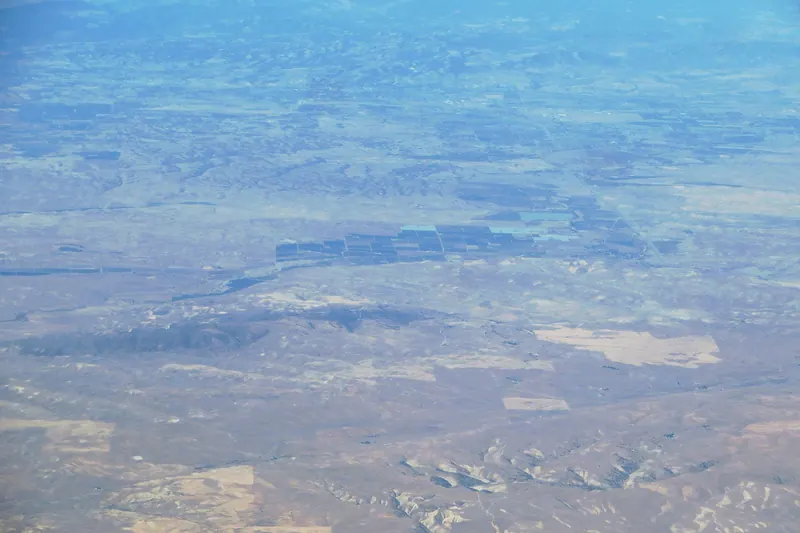
Nearly every ranchette between San Miguel, Creston and Shandon draws its water from the same underground reservoir, the Paso Robles Area Subbasin. The state lists it as critically overdrafted, which means more water leaves it than nature puts back. This section of the paper follows what that status means for a household with one well, a vineyard next door and a long dry season.
What this section covers
Our main story on the Paso Robles groundwater basin sets out the facts in order: the basin's size, the state's review of the local plan, the March 2025 formation of the Paso Robles Area Groundwater Authority, and the pumping and water-level figures in the annual report for water year 2025. It also explains why the basin is under periodic state review rather than on probation.
Most rural homes pump far less than farms, and the law treats them differently. Household wells and the basin rules explains the two acre-foot line for domestic use, what that exemption covers and what it leaves in place. The short item on the groundwater fee and household wells covers the $22.90 per acre-foot charge adopted on May 27, 2026, and who is not billed.
County rules, dry wells and new building
Building in the basin brings a separate set of rules from San Luis Obispo County, along with a state order on well permits. County rules for new wells and building lays out which limits are still listed, which expired, and where our sources ran out, with dates on each.
When a well stops producing, the state wants to know. The brief on reporting a dry well explains the state's online form, what happens to the information and why a report is not a request for help. Owners who are worried about falling levels may also want our Wells section story on what to do when a well runs low.
How to read these pages
Every number here comes from a named public source, linked at the bottom of each page, and carries its date. Basin policy moves slowly but it does move, so check the agency pages below before you act on a rule, and ask the agency directly if your parcel sits near a boundary.
Where to call
- Paso Robles Area Groundwater Authority — the basin plan, the groundwater fee, and which member agency covers your parcel. Authority website
- County of San Luis Obispo, Groundwater Sustainability — the county's role as a groundwater sustainability agency. County SGMA page
- County of San Luis Obispo, Planning & Building, Water Programs — well meters, water offsets and building limits in the basin. Water Programs
- California Department of Water Resources — dry well reports and the state's record of the basin plan. Dry Well Reporting System