Section front · Water Quality
What Is in the Water Under North County Homes
Water quality on a north San Luis Obispo County well is the owner's job: no agency checks it, so a lab test is the only way to know what comes out of the tap.
Updated
Stories
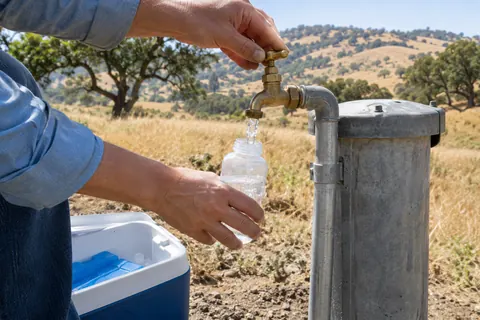
How to Test a Private Well in North County, and How Often
Well water testing around Paso Robles means a lab check for bacteria and nitrate at least once a year, plus a full metals test at purchase and every few years.
 AI-generated picture
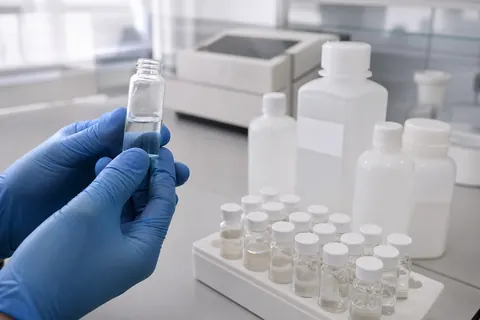
Arsenic in North County Wells: The Limit, the Test, the Fix
Arsenic in well water has a California limit of 10 µg/L; it is mostly natural, common enough in the Paso Robles subbasin to be watched, and found only by a lab.
 AI-generated picture
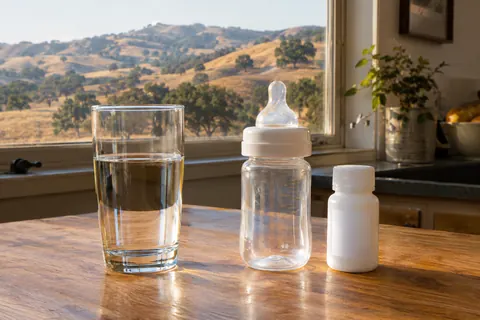
Nitrate in Rural Wells: Why Babies Come First
Nitrate in well water should stay under the 10 mg/L drinking water standard (as nitrogen); infants under six months face the greatest risk, and boiling does not remove it.
 AI-generated picture
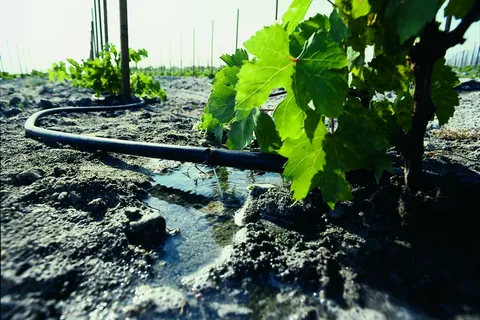
Boron in the Well: No Legal Limit, but Vines Notice
Boron in well water has no enforceable drinking water limit in California; the state's notification level is 1 mg/L, and grapevines can suffer above about 1 ppm.
In brief
BriefA Free Well Test Is Available Across the Central Coast
Free well water testing in San Luis Obispo County comes through the Central Coast Drinking Water Well Testing Program, which checks qualifying household wells for health-related contaminants.
BriefHow Hard Is North County Water? The Published Numbers
Hard water is the rule around Paso Robles and Atascadero: the two local systems that print hardness in their 2025 reports both land in the USGS "very hard" range.
BriefWhen the Tap Smells Like Rotten Eggs
Well water that smells like rotten eggs usually carries hydrogen sulfide, sometimes made inside the water heater; a sulfur smell in the air rather than at the tap means leave and call.
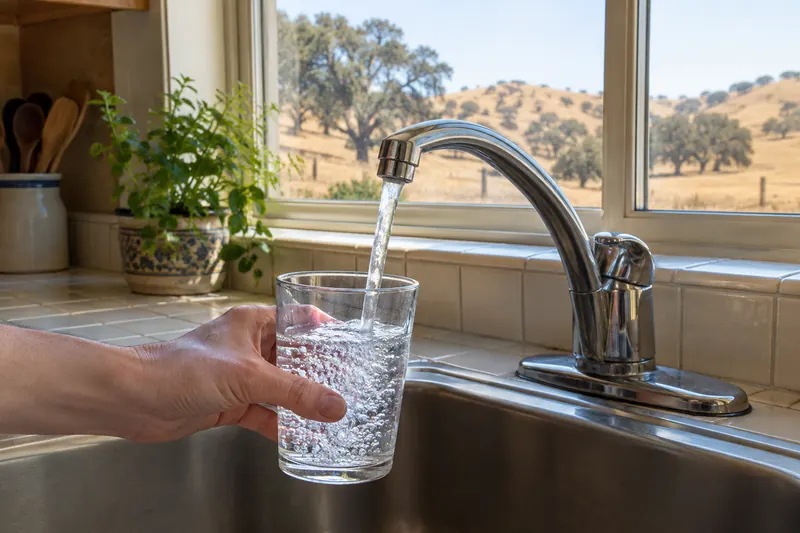
Nobody outside the household watches the quality of a private well here; the county puts that duty on the owner. For the ranchettes, vineyard houses and hillside homes between San Miguel, Shandon, Creston, Templeton and Atascadero, that makes this section of the paper a working desk: what to test, what the numbers mean and who can help read them.
Where to start
Begin with testing your well water, our long piece on what to test, how often, how to find a state-accredited lab and how to read a report against the legal limits. If money is the obstacle, the brief on free well testing on the Central Coast explains a program that has sampled about 1,058 wells in the region since 2018 at no cost to owners.
The three that come up most around here
Three substances get their own stories because they turn up in local groundwater. Arsenic is mostly natural, and the State Water Board has said it shows up above the 10 µg/L limit often enough in the Paso Robles subbasin to deserve monitoring in domestic wells. Nitrate is tied to septic systems, confined animal feeding operations and fertilizer, and it matters most in homes with babies. Boron has no enforceable drinking water limit at all, only a state notification level, yet it matters to anyone watering grapevines.
Hardness and smells
Two shorter items cover the complaints people notice first. Hard water numbers for north county sets the published hardness of the Atascadero and San Miguel systems against the USGS scale. A rotten-egg smell from the taps explains hydrogen sulfide, why the smell is sometimes only in the hot water, and when a sulfur odor should send you out of the house instead of to a filter.
Treatment comes last on every page here. A filter or softener is chosen after a lab result, for the specific contaminant found, and checked with a second test once it is running. Our pages on softeners and filters for well water and living on a private well carry that thread into the house and the wellhead.
Where to call
- Environmental Health (SLO County Health Agency), well desk — county well permits, the well owner checklist and local resources for private wells. Well Program
- State Water Board, Environmental Laboratory Accreditation Program (ELAP) — a map of accredited labs that can test drinking water. ELAP
- Central Coast Water Board (Region 3) — the regional board that tracks the free well testing program. Central Coast Water Board
- GAMA groundwater map — public water quality results for wells, searchable by location. GAMA