Section front · Septic
Septic: The System Under Every Ranch-House Yard
Septic systems in north San Luis Obispo County serve nearly every rural home outside the town sewers, and the county's own program sets the rules they live by.
Updated
Stories
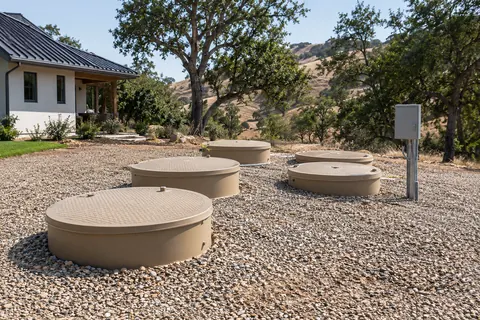
How Septic Systems Work on Rural North County Lots
A septic system in San Luis Obispo County is permitted by County Planning & Building under a county program approved in 2020, and EPA says most household tanks need pumping every three to five years.
 AI-generated picture
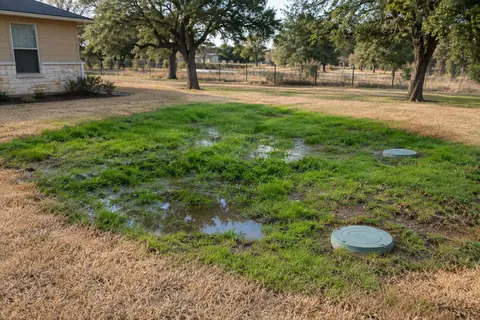
When a Septic System Starts to Fail, the Yard Usually Says So
Septic system failure signs include sewage backing up, slow or gurgling drains, sewage odors and soggy or unusually green ground over the tank or leach field.
 AI-generated picture
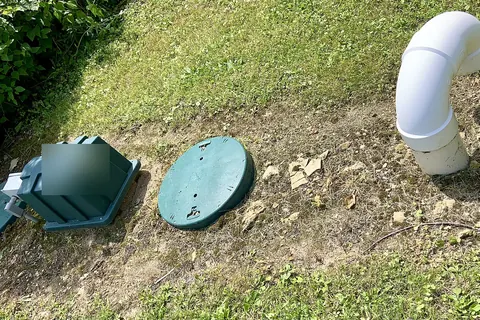
Where New North County Homes Need Nitrogen-Reducing Septic Systems
Nitrogen-reducing septic systems are required for new construction in Creston, Templeton North, Shandon, Jardine Road, Branch Road and Oak Hills West, to keep septic nitrate out of the groundwater wells draw from.
In brief
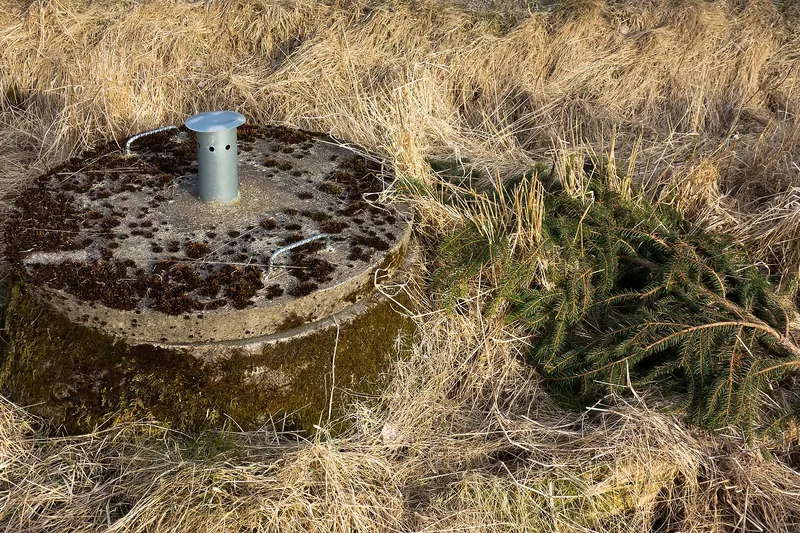
BriefAn Open Septic Tank Can Kill, and So Can a Rescue Attempt
The danger in a septic tank is a confined space full of gas you may stop smelling: never go in, lean in or reach in, and never go in after someone who collapsed.
BriefPump Every Three to Five Years, Inspect More Often
How often to pump a septic tank depends on use, but EPA says household tanks are typically pumped every three to five years and inspected every one to three.
Beyond the sewer lines of Paso Robles and Atascadero, almost every house on a ranchette, vineyard parcel or oak-covered hillside sends its wastewater to a tank and a leach field in the yard. That system sits a short walk from the private well many of the same households drink from. This section covers how those systems are permitted and cared for in the unincorporated north county, what failure looks like, and the one hazard that kills people who get too close.
What this section covers
The rules start with the county. San Luis Obispo County's septic program was approved by the Central Coast Regional Water Quality Control Board on September 25, 2020, and permits run through County Planning & Building. Our story on septic systems on rural lots explains how a system works, who issues permits, why a parcel with both septic and its own well needs at least 2.5 acres, and where the state's setback numbers come from.
When something goes wrong, the yard usually says so first. Signs of septic trouble walks through what the U.S. Environmental Protection Agency lists as warnings, from gurgling drains to bright green grass over the leach field in a dry August, and who to call.
Some parts of the north county carry stricter rules. Creston, Templeton North, Shandon and a few other areas require nitrogen-reducing systems for new construction, because nitrate from septic effluent can reach the groundwater wells draw from. That is the subject of nitrogen-reducing septic areas.
Upkeep and safety
Two short briefs cover routine work. Septic pumping and inspection gives EPA's intervals, what the county expects a pumper to report, and the records worth keeping. Septic tanks are confined spaces explains why no one should go into, lean into or reach far into an open tank, and why the right response to a person collapsed inside is a 911 call, not a rescue attempt.
How we handle the facts
Every rule and number on these pages comes from the county, the state water boards, EPA or federal health agencies, linked where it appears. The county's full septic plan text was not fully readable to us, so where a local figure is missing we say so and point you to County Planning & Building. Readers with a well should also see our stories on nitrate in well water and testing your well water.
Where to call
- County of San Luis Obispo, Planning & Building, Onsite Wastewater Treatment System Services — septic permits, repairs, the county septic program and pumping reports. Their official page
- Central Coast Regional Water Quality Control Board — the regional approval of county septic programs. Their official page
- Contractors State License Board — check that a septic contractor holds a C-42 Sanitation System license. License check
- Emergencies — anyone overcome in or near a septic tank: call 911 and stay out.