Fire & Drought · Story
Stretching a Private Well Through the Dry Years
Saving water on a well during drought starts with leaks and outdoor watering; as of late October 2026, the federal drought map shows no drought in San Luis Obispo County.
By the Ranch House Water desk · Updated · 7 min read
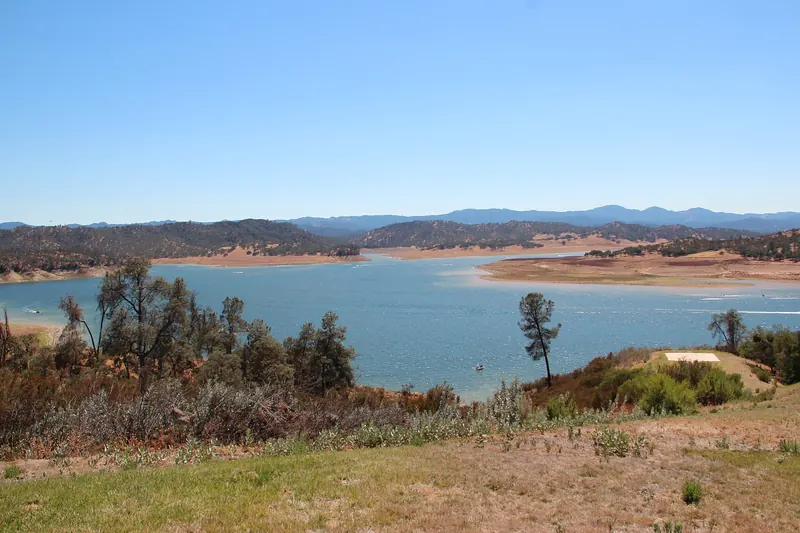
Saving water on a private well is a habit worth keeping in wet years too, because north county wells draw from a basin whose levels have been falling for decades. Right now the county is not in drought: the U.S. Drought Monitor map dated October 27, 2026 shows 100% of San Luis Obispo County in the "None" category. The basin's long decline does not reset with one wet winter, though.
Is San Luis Obispo County in drought right now?
No, not on the federal map. In the week of October 27, 2026, the county statistics show 0% of the county in any drought category, and it has been at 0% in every weekly map since at least September 8, 2026. The picture statewide is different: 72.12% of California was rated abnormally dry or worse that week, and 18.36% was in moderate drought or worse.
The map is about rain, soil and streams over recent months. It says nothing direct about the water table under your property, which is why a well can struggle in a year the map is clear.
Why do dry years hit wells here so hard?
Because the area gets little rain and gets almost all of it in winter. The Paso Robles in-town weather station's 1991-2020 normals average 15.26 inches of rain a year (the airport station averages 12.15 inches). About 85% of it falls from December through March, while summer months get almost none.
- January3.44 inches
- February3.24 inches
- March2.84 inches
- December2.51 inches
- July0.10 inches
- August0.02 inches
Source: NOAA NCEI
By month, January averages 3.44 inches, February 3.24, March 2.84 and December 2.51, while July gets 0.10 and August 0.02. Underneath, the basin is under strain. The groundwater agencies' report for water year 2025, published in March 2026, describes hydrographs that have trended downward since the late 1990s at many sites, and it counts 3 of 22 representative wells below their minimum threshold. Its estimate of 2025 pumping, 61,400 acre-feet, edges past the 61,100 acre-feet per year that the sustainability plan counts as safe to take over the long run. The authors caution that most of the drop from earlier years reflects a changed method for estimating farm use rather than water actually saved. Agriculture accounted for 91% of pumping.
For the full picture, read our story on the Paso Robles groundwater basin.
Where does household water go to waste?
Often in places you cannot see or hear. The EPA says a single leaky or running toilet can waste as much as 200 gallons a day, which on a well means 200 gallons pumped, and on a septic system 200 gallons sent to the drainfield. Listening for a tank that refills on its own, when nobody has flushed, is a simple first check.
The same EPA advice suggests spreading laundry loads through the week instead of running them all in one day, which also eases the load on a septic tank; more on that in septic systems on rural lots. Outdoors, drip lines and hose bibs in the far corners of a property can leak for months unnoticed; walking them now and then costs nothing.
Can laundry water go on the garden?
In many cases, yes, and without a permit. The UC Master Gardeners of San Luis Obispo County say a graywater system that takes water only from the clothes washer, serves a one- or two-unit home, does not alter the house plumbing and follows the plumbing code does not need a permit. Systems that collect from showers, sinks or baths, or that use a pump or tank, do.
They also advise against using graywater on edible plants, including root crops, or on lawns. Ask the county whether a permit applies to your plan. Our brief on graywater and rainwater has the conditions.
What if the well starts to fail?
Act early and get a licensed opinion. A drop in output can have more than one cause, from the pump to the water level; our story on when a well runs low walks through them. Pump work and deepening are for a C-57 well drilling contractor.
If the well does go dry, report it to DWR's Dry Well Reporting System. DWR treats a report as data collection rather than a request for aid, and everything except your name, contact details and address becomes public. Our brief on reporting a dry well covers the steps. For a replacement well, ask Environmental Health whether your parcel qualifies for its permit fee waiver for dry wells.
| Year | Reports |
|---|---|
| 2014 | 24 |
| 2015 | 46 |
| 2016 | 44 |
| 2021 | 27 |
| 2022 | 26 |
| 2025 | 20 |
| 2026, through Oct. 28 | 17 |
Those yearly figures come from a count of DWR's public dataset, which holds 363 reports from these five towns out of 440 for the whole county. Reports are voluntary, and the town listed is the mailing city given with each report, not an exact location. Until water is restored, a licensed hauler can deliver it; haulers of 250 gallons or more are licensed by the state health department, as our brief on hauled water explains.
Where to call
- California Department of Water Resources — report a dry well. Dry Well Reporting System
- SLO County Environmental Health Services, Well Program — permits for a replacement well, and whether the fee waiver for dry wells applies. Well Program
- Paso Robles Area Groundwater Authority — basin conditions and annual reports. PRAGA
- County of San Luis Obispo, Planning & Building — whether a graywater plan needs a permit. Planning & Building
- Contractors State License Board — check a C-57 well contractor's license. License Check
Common questions
Is there a drought in San Luis Obispo County?
Not on the U.S. Drought Monitor map dated October 27, 2026, which shows 100% of the county with no drought. About 72% of California was abnormally dry or worse that week. The basin's long-term decline is a separate issue from the weekly map.
How much water can a running toilet waste?
EPA says a single leaky or running toilet can waste as much as 200 gallons a day. On a private well that water is pumped from the ground, and on septic it goes to the drainfield.
Does reporting a dry well get me emergency water?
No. DWR says a report is data collection, not an application for assistance. It points people seeking help to the state's drought assistance resources.
Can I water vegetables with washing machine water?
The UC Master Gardeners of SLO County advise against using graywater on edible plants, including root crops, and on turf. Ornamental shrubs and trees are the usual targets.
Is household pumping the reason the basin is falling?
Household wells are a small share. The groundwater authority's fee study puts rural domestic use at about 2% of total consumptive use, and the 2025 annual report puts agriculture at 91% of pumping.
Sources
- U.S. Drought Monitor — county statistics, San Luis Obispo County, map of Oct. 27, 2026 — 100% "None"; statewide 72.12% and 18.36%
- NOAA NCEI — 1991-2020 annual normals, Paso Robles stations — 15.26 inches in town; 12.15 at the airport
- NOAA NCEI — 1991-2020 monthly normals, Paso Robles in-town station — rain by month
- Paso Robles Subbasin Water Year 2025 Annual Report (March 26, 2026) — declining levels, 3 of 22 wells, pumping and its caveat, 91% agriculture
- Paso Robles Area Groundwater Authority — FY 2026-27 Rate & Fee Study — rural domestic use about 2%
- DWR — Dry Well Reporting System Data — 440 county reports; 363 from five north county towns (our count)
- DWR — Dry Well Reporting System — how to report; not an application for help
- U.S. EPA — How to Care for Your Septic System — running toilets, spreading laundry
- UC Master Gardeners of SLO County — Graywater Irrigation — permit rules and plant cautions
- California Department of Public Health — Water Hauler License Procedures — hauler licenses for 250 gallons or more